
How to Prepare Your Home for a New Paint Job: Expert Tips
Giving your home a fresh coat of paint is one of the most effective ways to update its look and boost curb appeal. However, before you start painting, it's important to prepare your home properly to ensure a smooth and long-lasting finish. Here are some expert tips to guide you through the process.
Assess and Repair Surfaces
The first step in preparing your home for a new paint job is to assess the condition of the surfaces you plan to paint. Look for cracks, holes, and peeling paint. Repair any damage to ensure an even application. Use spackle or putty for small holes and sand the area smooth once it dries.
For larger repairs, consider using a patching compound. Pay special attention to areas that are exposed to the elements, as they may require more extensive repairs. Proper surface preparation is crucial for achieving a professional-looking finish.
Clean the Surfaces
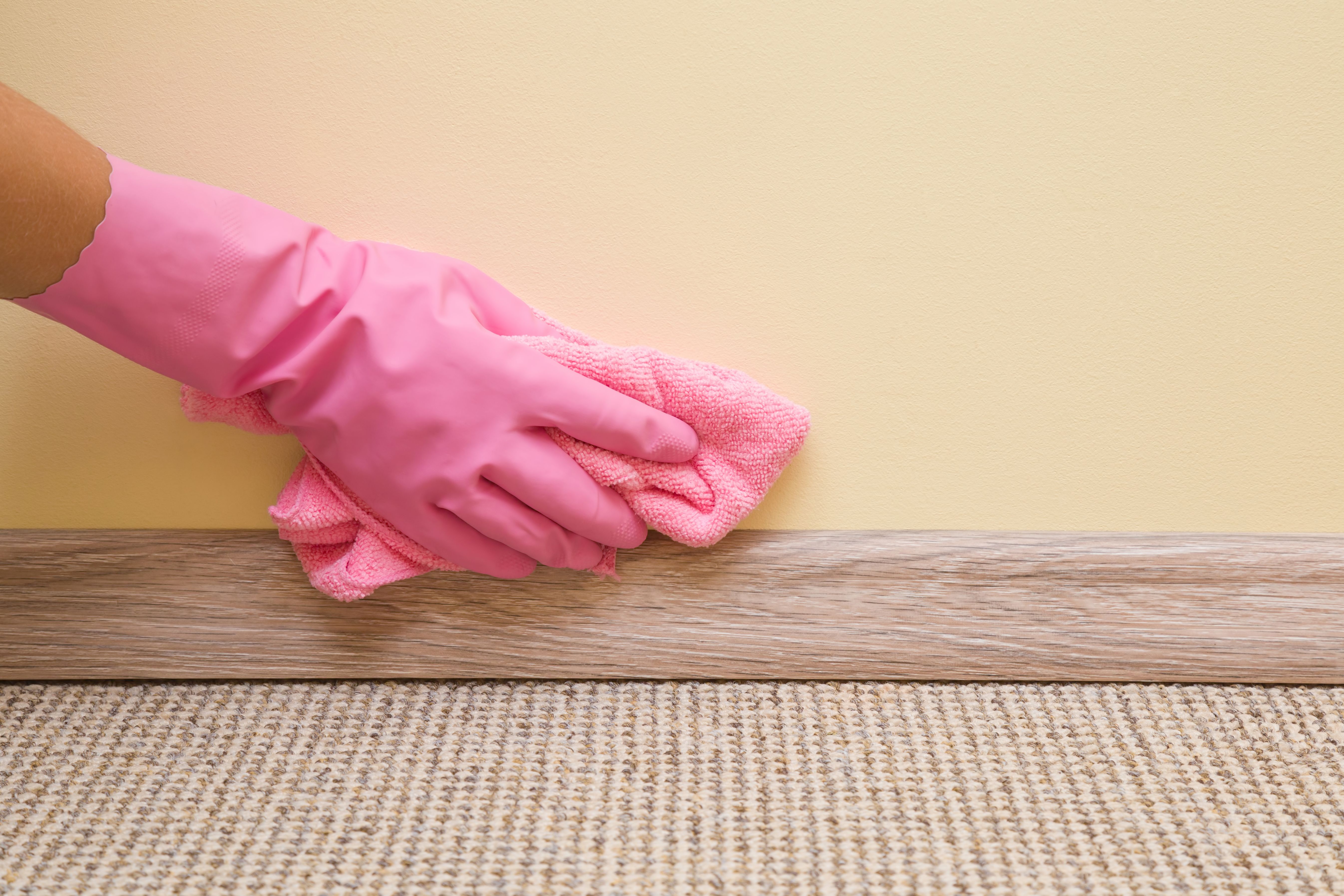
Once repairs are made, it's time to clean the surfaces. Dirt, dust, and grease can prevent paint from adhering properly, so it's essential to start with a clean slate. Use a mild detergent mixed with water to wash the walls and other surfaces. Rinse thoroughly and let them dry completely.
For exterior surfaces, a pressure washer can be a great tool to remove stubborn dirt and mildew. Just ensure that the surface is completely dry before moving to the next step. Cleaning is a vital part of the preparation process and can greatly affect the final result.
Protect Your Home and Surroundings
Before you begin painting, protect areas of your home that you don't want to be painted. Use painter’s tape to cover trim, windows, and door frames. Lay down drop cloths to safeguard floors and furniture. This step will save you time and effort during cleanup.
Also, consider removing or covering outdoor plants and fixtures to prevent accidental splashes. Proper protection can help maintain the integrity of your home and garden during the painting process.

Choose the Right Paint and Tools
Selecting the appropriate paint for your project is crucial. Consider the material of the surfaces you are painting and choose a paint formulated for that specific type. For instance, use exterior paint for outdoor surfaces to withstand weather conditions.
Additionally, gather the necessary tools, such as brushes, rollers, and trays. Investing in quality tools can make a significant difference in the ease of application and the overall finish.
Test Your Paint Color
Before committing to a color, it's a good idea to test it on a small, inconspicuous area. Paint can look different based on lighting and surrounding colors. Observing it at different times of the day can help you make an informed decision.
Testing your paint color can prevent costly mistakes and ensure that the final look aligns with your vision.

Schedule Your Painting Project
Finally, plan your painting project around the weather and your availability. For exterior jobs, choose a period with mild, dry weather to ensure the paint cures properly. For interior projects, ensure you have enough time to complete the job without rushing.
Proper scheduling allows for a more relaxed and efficient painting process, leading to better results.